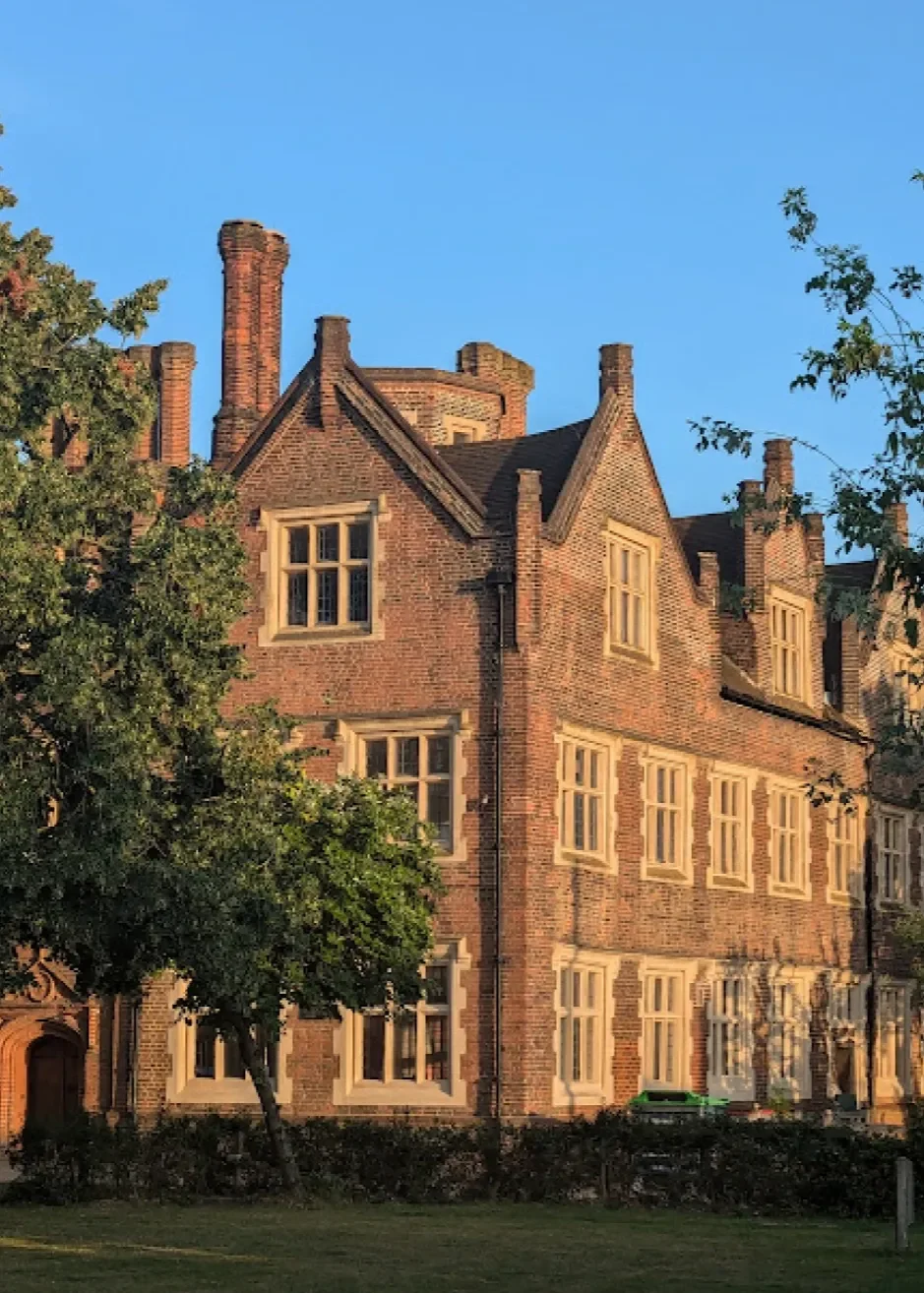
Discover a history of over 450 years. Since Elizabethan times, Eastbury Manor House has stood on this site in Barking, London. It has borne witness to varied fortunes, families and farming life, plus a fated encounter saving it from demolition.
The Eastbury Estate was acquired by Clement Sisley in 1557, marking the beginning of this remarkable survivor from the Elizabethan Era. Built between 1560-1573, it remains one of the most complete surviving examples of its kind in the world.
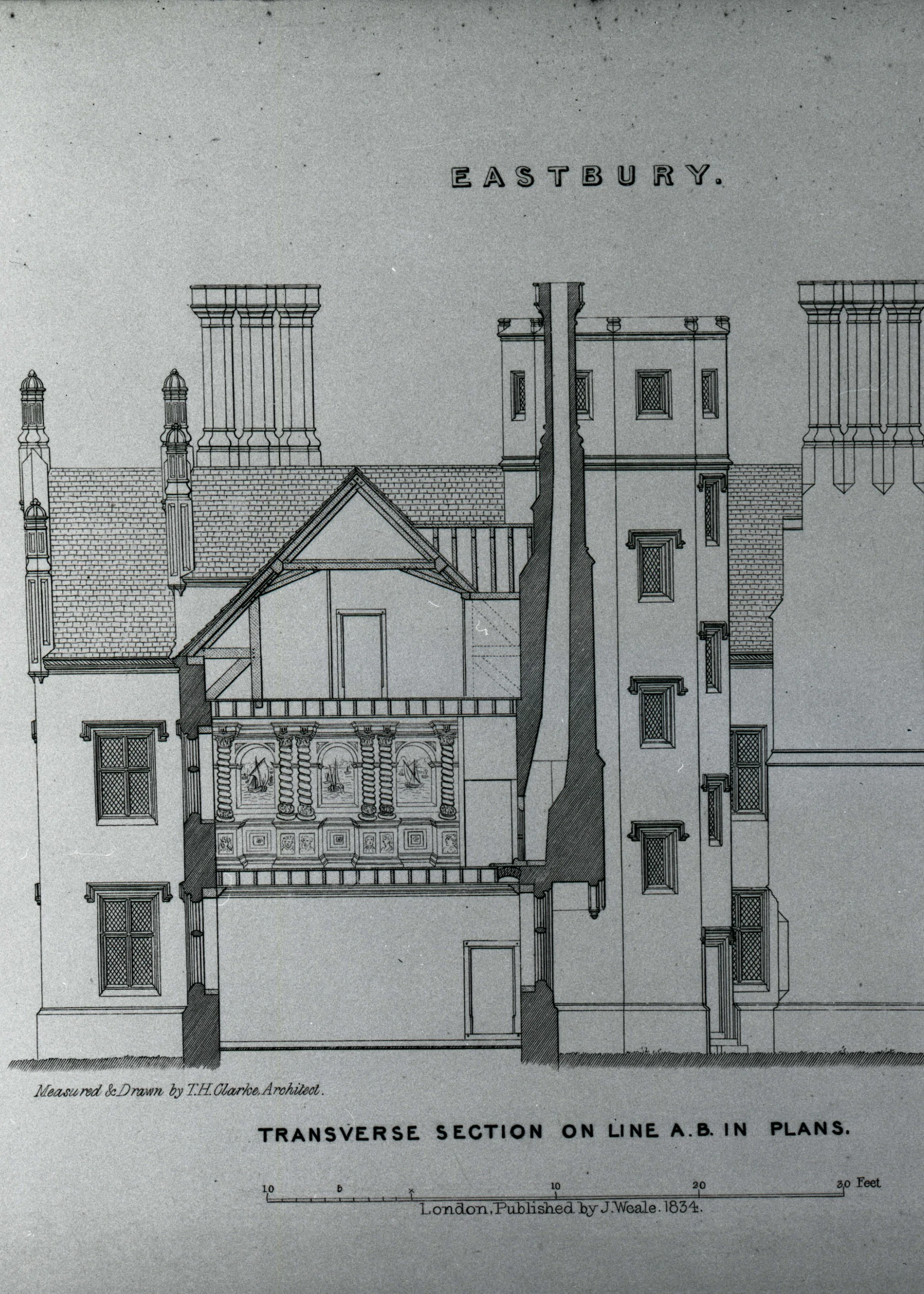
On these pages, you can discover more about the house through the centuries, as well as its rooms, features and design.
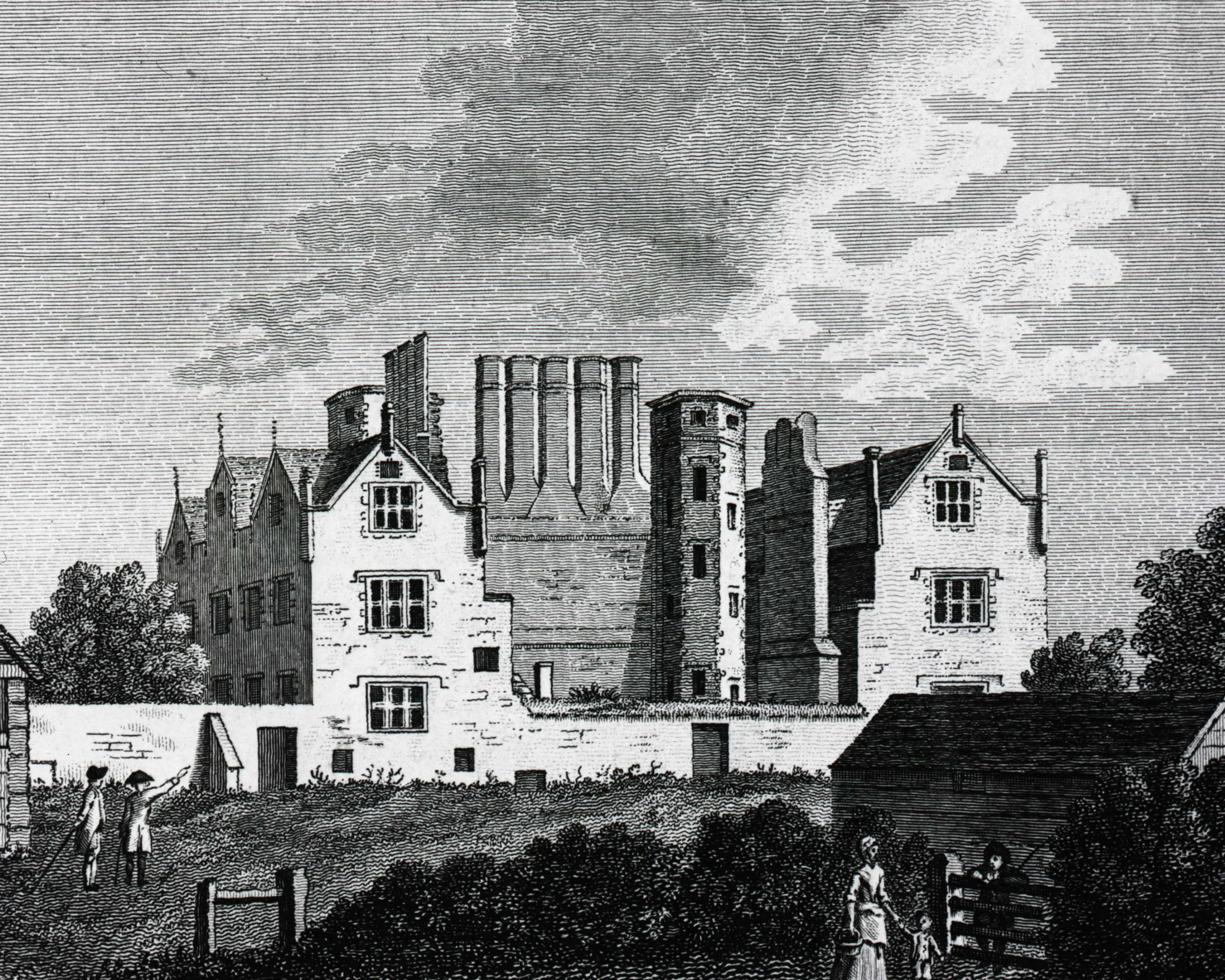

Pre-dating the house itself, Eastbury played an important role in a busy farming community, under the ownership of the Abbesses of Barking Abbey.
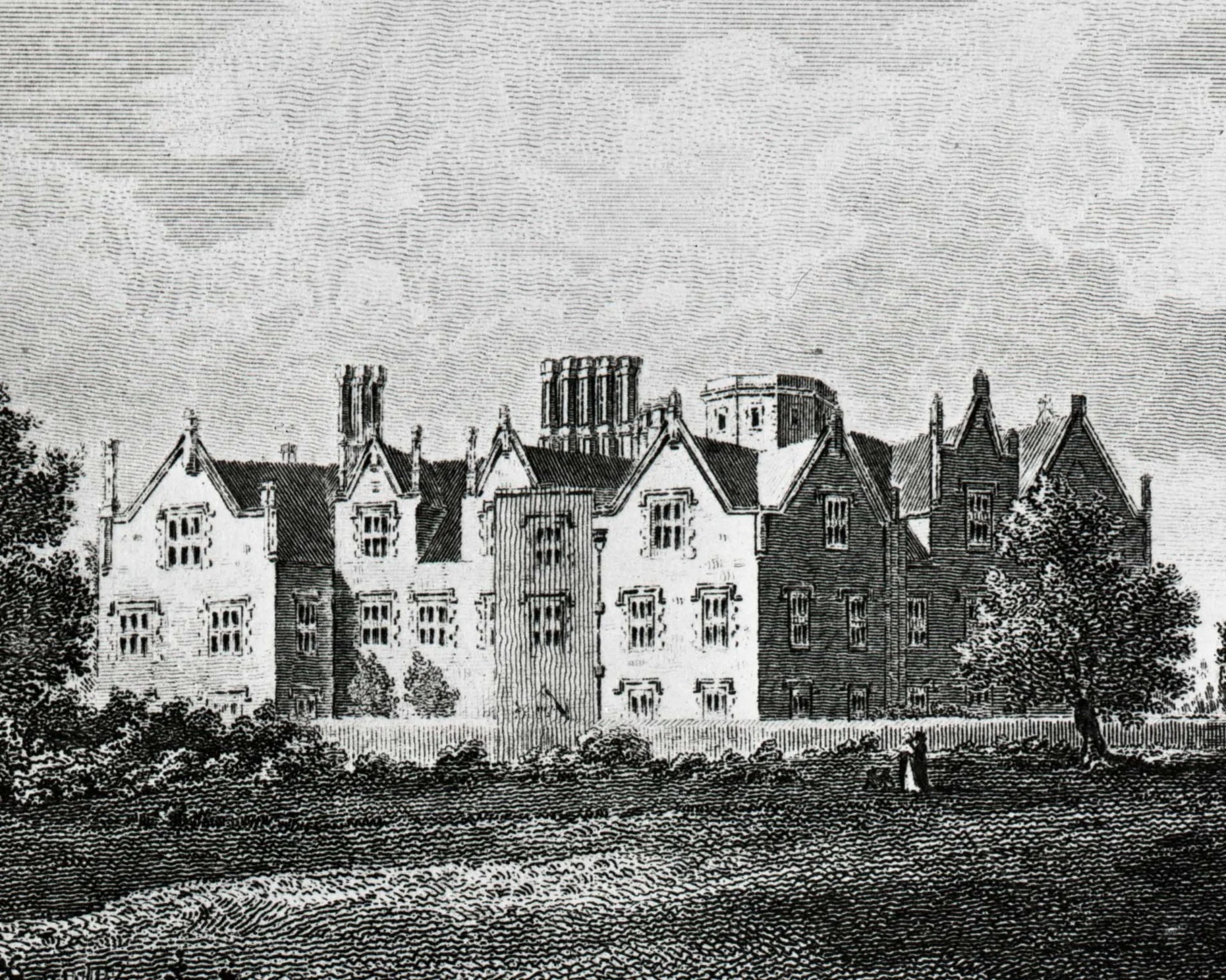
Between 1560-1573, the local landscape would change forever as new land owner Clement Sisley builds Eastbury Hall- a house of grandeur and style.
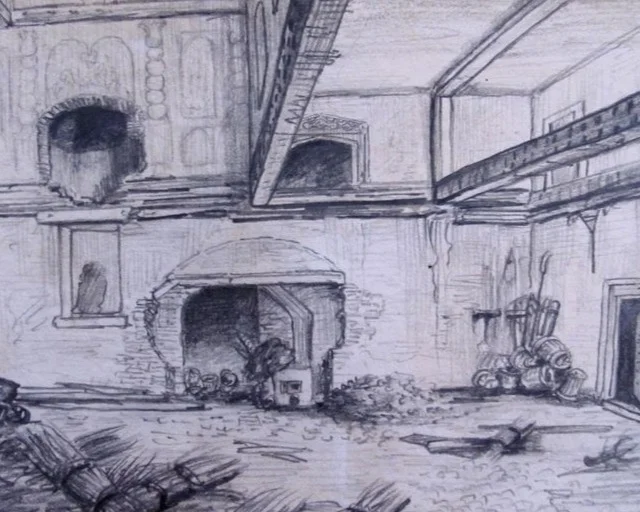
Facing potential demolition and after a chance encounter from one of its members, the fab S.P.A.B make a brave attempt to save Eastbury for future generations.
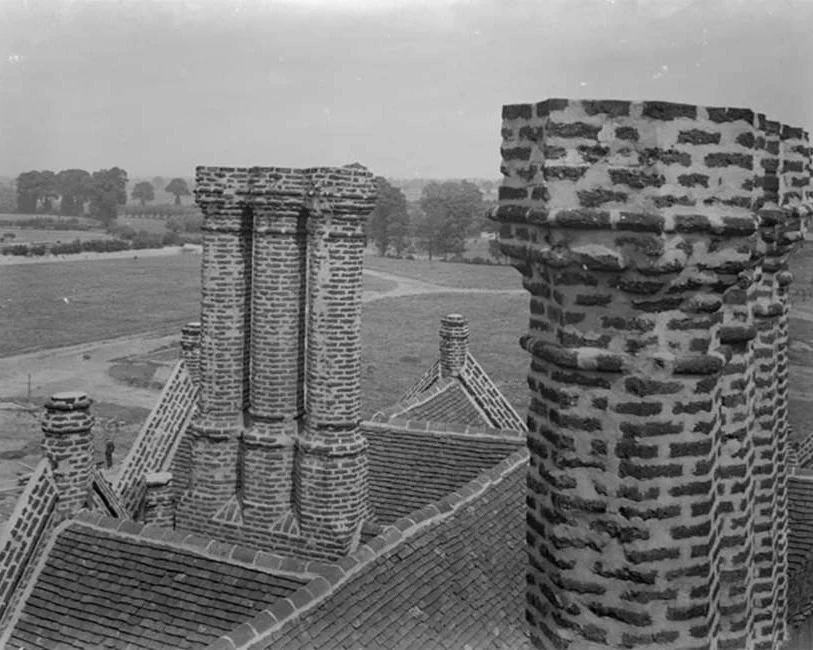
Take a look at our timeline, pointing out some of the key dates and events throughout Eastbury's long history, from new owners to its changing fortunes.
Pre-dating the house itself, Eastbury played an important role in a busy farming community, under the ownership of the Abbesses of Barking Abbey.
Between 1560-1573, the local landscape would change forever as new land owner Clement Sisley builds Eastbury Hall- a house of grandeur and style.
Facing potential demolition and after a chance encounter from one of its members, the fab S.P.A.B make a brave attempt to save Eastbury for future generations.
Take a look at our timeline, pointing out some of the key dates and events throughout Eastbury's long history, from new owners to its changing fortunes.

"... A litte beyond the Town (Barking), on the road to Dagenham, stood a great house, antient, and now almost fallen down, where tradition says, the Gunpowder Treason Plot was at first contriv'd, and that all the consultations about it were held here."
Daniel Defoe, 1726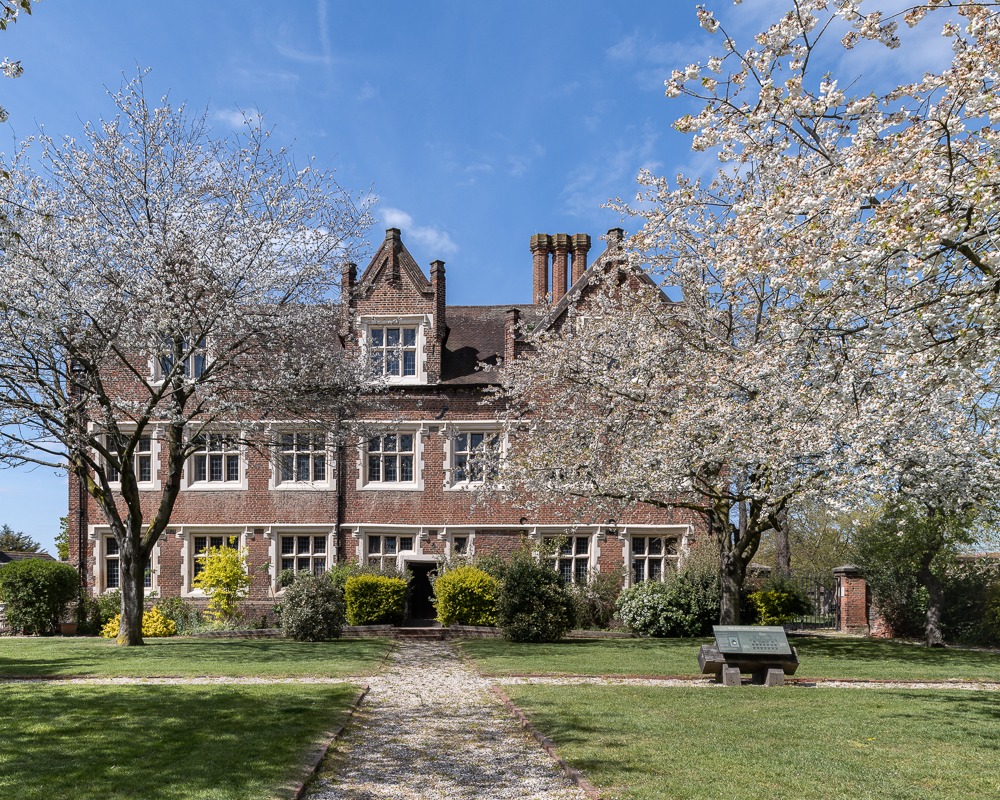
Eastbury's Grade I listed Walled Garden provides an insight into the lives of Eastbury's owners through time. Located on the East side directly off from the family parlours, the garden would have been used for leisure and recreation, quite unlike the surrounding farmland, pasture, and kitchen gardens.
There are bee boles recessed into the high walls, used to house skeps. Traditionally these would be used as hives for honey bees. Their honey was valued as a sweetener, before sugar importation became commonplace.
The garden and its walls are currently undergoing major restoration, and new garden designs will be implemented in 2026.
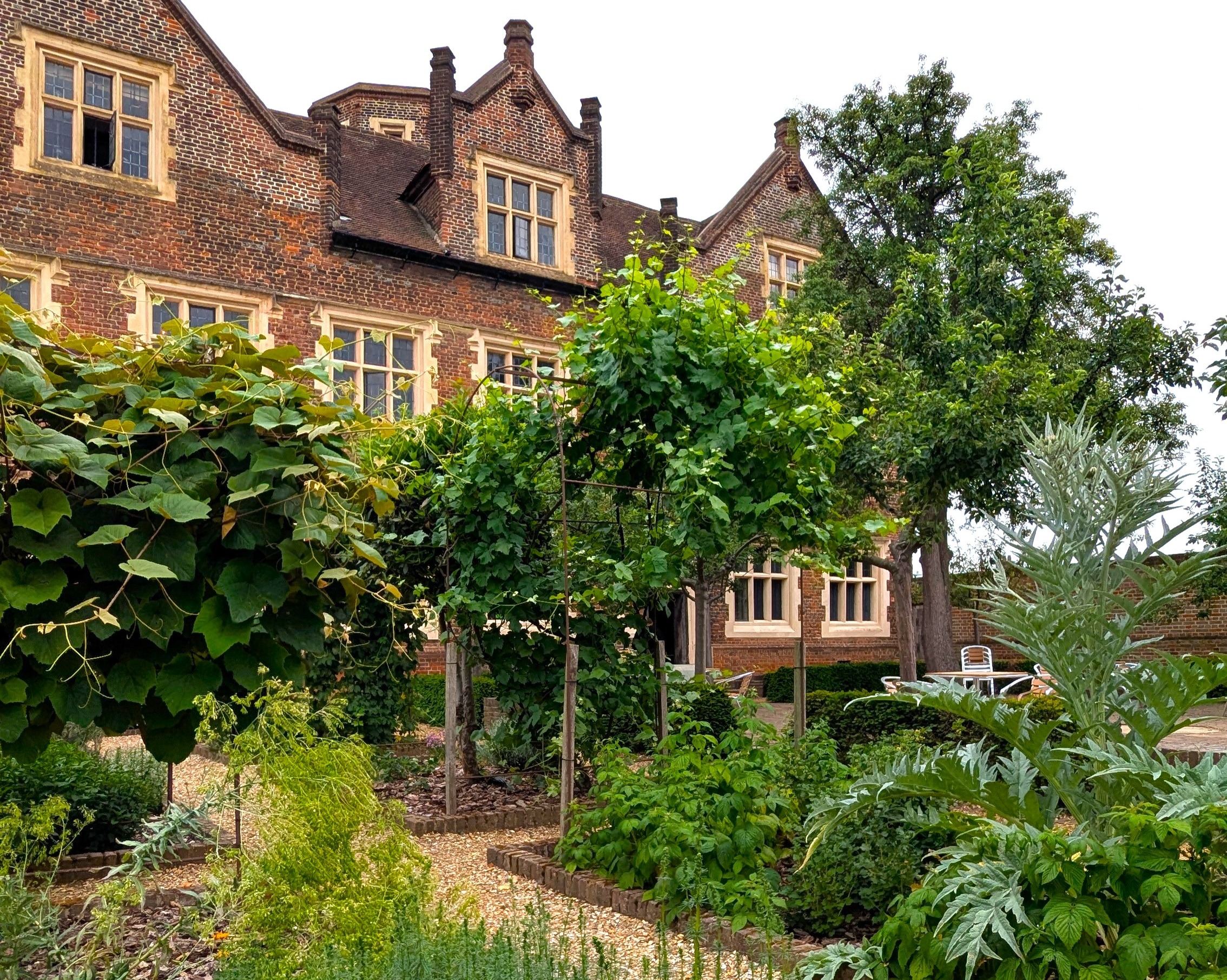
Eastbury's Kitchen Garden was a place for the cultivating of crops, herbs and other plants. Used for medicinal, culinary, dyeing and strewing among other things, the current Kitchen Garden reimagines this, providing an insight into native species growing during the 1500s.
Divided into individual beds, we grow soft fruits, plants for dyeing, herbs, medicinal and functional plants, vegetables, and also have a small orchard of crab apple trees, and a large, plentiful pear tree!
Eastbury's Grade I listed Walled Garden provides an insight into the lives of Eastbury's owners through time. Located on the East side directly off from the family parlours, the garden would have been used for leisure and recreation, quite unlike the surrounding farmland, pasture, and kitchen gardens.
There are bee boles recessed into the high walls, used to house skeps. Traditionally these would be used as hives for honey bees. Their honey was valued as a sweetener, before sugar importation became commonplace.
The garden and its walls are currently undergoing major restoration, and new garden designs will be implemented in 2026.
Eastbury's Kitchen Garden was a place for the cultivating of crops, herbs and other plants. Used for medicinal, culinary, dyeing and strewing among other things, the current Kitchen Garden reimagines this, providing an insight into native species growing during the 1500s.
Divided into individual beds, we grow soft fruits, plants for dyeing, herbs, medicinal and functional plants, vegetables, and also have a small orchard of crab apple trees, and a large, plentiful pear tree!